13 Best Affordable High-Satiety Foods for Weight Loss in 2026
I once spent an entire Sunday afternoon painstakingly entering every single ingredient of a lentil soup into a calorie-tracking app, only to realize I'd eaten fewer calories by 3 PM than I usually did by breakfast. The soup cost me about $1.40 for the batch. That was the moment I stopped believing that weight loss required expensive 'diet foods' or constant hunger. The real secret, I've learned, is choosing foods that naturally yell 'stop' before your plate is empty—and that don't drain your wallet. In 2026, with grocery prices still climbing, the best affordable high-satiety foods for weight loss aren't a trend; they're a survival skill.
I'm not a dietitian, but I've spent the last five years testing every cheap, filling trick I could find—from bulk bins to farmer's market clearance racks. This list isn't about deprivation; it's about swapping your grocery list so you feel full, satisfied, and in control, without the guilt or the debt. Let's dive into the 13 foods that will change how you think about weight loss on a budget.
Why Satiety Matters More Than Calorie Counting (And Saves You Money)
For years, we were told weight loss was a simple math problem: eat less, move more. But anyone who's tried that knows it's a recipe for misery. You eat a 300-calorie 'diet' bar, feel hungry an hour later, then cave and eat 500 calories of chips. The problem isn't willpower; it's satiety—the feeling of fullness that tells your brain, 'We're done here.'
High-satiety foods—those packed with protein, fiber, and water—trigger hormones like PYY and GLP-1 that naturally curb appetite. Research from the NIH shows that a high-protein, high-fiber meal can reduce subsequent calorie intake by up to 20% compared to a calorie-matched low-satiety meal. That means you eat less without even trying. And here's the kicker: the cheapest foods in the grocery store—eggs, lentils, potatoes, oats—are often the most satiating. You don't need $10-a-pound 'superfoods' or expensive meal replacements. You just need to know which staples to buy.
In 2026, with food inflation still a concern, every dollar counts. The best affordable high-satiety foods for weight loss are the ones that keep you full for hours, prevent impulse snacking, and cost pennies per serving. Let's break down the science behind them.
The 2026 Science of Satiety: Protein, Fiber, and Volume on a Budget
To spot a high-satiety food, look for three things: protein, fiber, and volume (water or air). Protein triggers the release of satiety hormones and takes more energy to digest. Fiber slows down stomach emptying and creates a gel-like bulk that stretches your stomach. Volume—from water in vegetables or soups—fills space without adding many calories. Together, they form what I call the 'satiety triangle.'
On a budget, you want foods that hit at least two of these. For example, a potato (volume + fiber) is surprisingly satiating—in fact, a 1995 study by Susanna Holt found boiled potatoes scored the highest on the Satiety Index, even beating oatmeal. Lentils and beans (protein + fiber) are another powerhouse, costing about $1.50 per pound dry. Eggs (protein + fat) are a classic, hovering around $0.20 each in most U.S. markets in 2026.
The trick is to build meals around these cheap, dense sources rather than empty carbs like white bread or sugary cereals. A bowl of oatmeal with an egg stirred in (yes, savory oatmeal is a thing) costs under $0.50 and keeps you full until lunch. That's the kind of math that makes weight loss sustainable.
13 Affordable High-Satiety Foods That Actually Fill You Up
Here's the list I wish I'd had years ago. Each food includes why it works, its approximate 2026 cost per serving, and a practical tip to make it part of your routine. Prices are based on USDA data and my local grocery runs; your mileage may vary, but these are consistently cheap nationwide.
1. Eggs
Cost per serving: ~$0.20 (1 egg)
Why it works: High-quality protein (6g per egg) plus fat for lasting fullness.
Tip: Boil a dozen on Sunday for grab-and-go snacks or quick breakfasts. Add to salads, rice bowls, or eat with a slice of whole-grain toast.
2. Lentils
Cost per serving: ~$0.15 (cooked 1/2 cup)
Why it works: 9g protein and 8g fiber per serving—a satiety double whammy.
Tip: Cook a big batch and add to soups, stews, or even taco filling. They're dirt cheap and don't require soaking.
3. Potatoes
Cost per serving: ~$0.25 (1 medium)
Why it works: High water content and resistant starch that promotes fullness.
Tip: Bake or boil them, then refrigerate overnight—the cooling process increases resistant starch, boosting satiety even more.
4. Rolled Oats
Cost per serving: ~$0.15 (1/2 cup dry)
Why it works: Beta-glucan fiber forms a gel in your stomach, slowing digestion.
Tip: Make savory oatmeal with an egg or a spoonful of peanut butter for a savory, filling breakfast.
5. Greek Yogurt (Plain)
Cost per serving: ~$0.50 (1/2 cup)
Why it works: 15g protein per serving, plus probiotics.
Tip: Buy plain, full-fat for better satiety; add frozen berries or a dash of cinnamon instead of sugary flavored versions.
6. Canned Tuna or Salmon
Cost per serving: ~$1.00 (one can)
Why it works: 20g+ protein per can, plus omega-3s.
Tip: Mix with Greek yogurt instead of mayo for extra protein and less fat. Great in lettuce wraps or over salad.
7. Frozen Vegetables (Broccoli, Spinach, Mixed Greens)
Cost per serving: ~$0.30 (1 cup)
Why it works: High water and fiber content for volume without calories.
Tip: Add a big handful to soups, stir-fries, or even pasta sauce to bulk up meals cheaply.
8. Apples
Cost per serving: ~$0.40 (1 medium)
Why it works: Pectin fiber and high water content; eating the whole fruit (not juice) triggers satiety.
Tip: Eat with a tablespoon of peanut butter for staying power.
9. Popcorn (Air-Popped)
Cost per serving: ~$0.10 (3 cups)
Why it works: High volume for very few calories—like a giant bowl for under 100 calories.
Tip: Skip the butter; season with nutritional yeast or chili powder for flavor.
10. Cottage Cheese
Cost per serving: ~$0.60 (1/2 cup)
Why it works: 14g protein per serving, plus casein protein that digests slowly.
Tip: Use as a base for savory bowls with black pepper and herbs, or sweet with berries.
11. Black Beans
Cost per serving: ~$0.20 (cooked 1/2 cup)
Why it works: 8g protein and 7g fiber per serving.
Tip: Canned is fine—rinse to reduce sodium. Use in burrito bowls, soups, or mash for a bean dip.
12. Chicken Thighs (Bone-In, Skin-On)
Cost per serving: ~$0.80 (4 oz)
Why it works: More fat and flavor than breasts, keeping you satisfied longer.
Tip: Roast a batch with spices; shred for salads, tacos, or sandwiches.
13. Whole Wheat Pasta
Cost per serving: ~$0.20 (cooked 1 cup)
Why it works: More fiber than white pasta—about 6g per serving.
Tip: Pair with lentil 'meatballs' or a hearty vegetable sauce to boost protein and fiber.
How to Build a Low-Cost, High-Satiety Plate (Simple Meal Hacks)
Knowing the foods is one thing; putting them together is where the magic happens. I use the 'satiety triangle' framework: aim for a protein source, a fiber source, and a volume source on every plate. Here are three meals that cost under $2 each and keep me full for 4+ hours.
Breakfast: Savory Oatmeal Bowl
1/2 cup rolled oats (cooked with water) + 1 egg stirred in + 1/2 cup frozen spinach + pinch of salt and pepper. Cost: ~$0.50. Satiety score: 9/10.
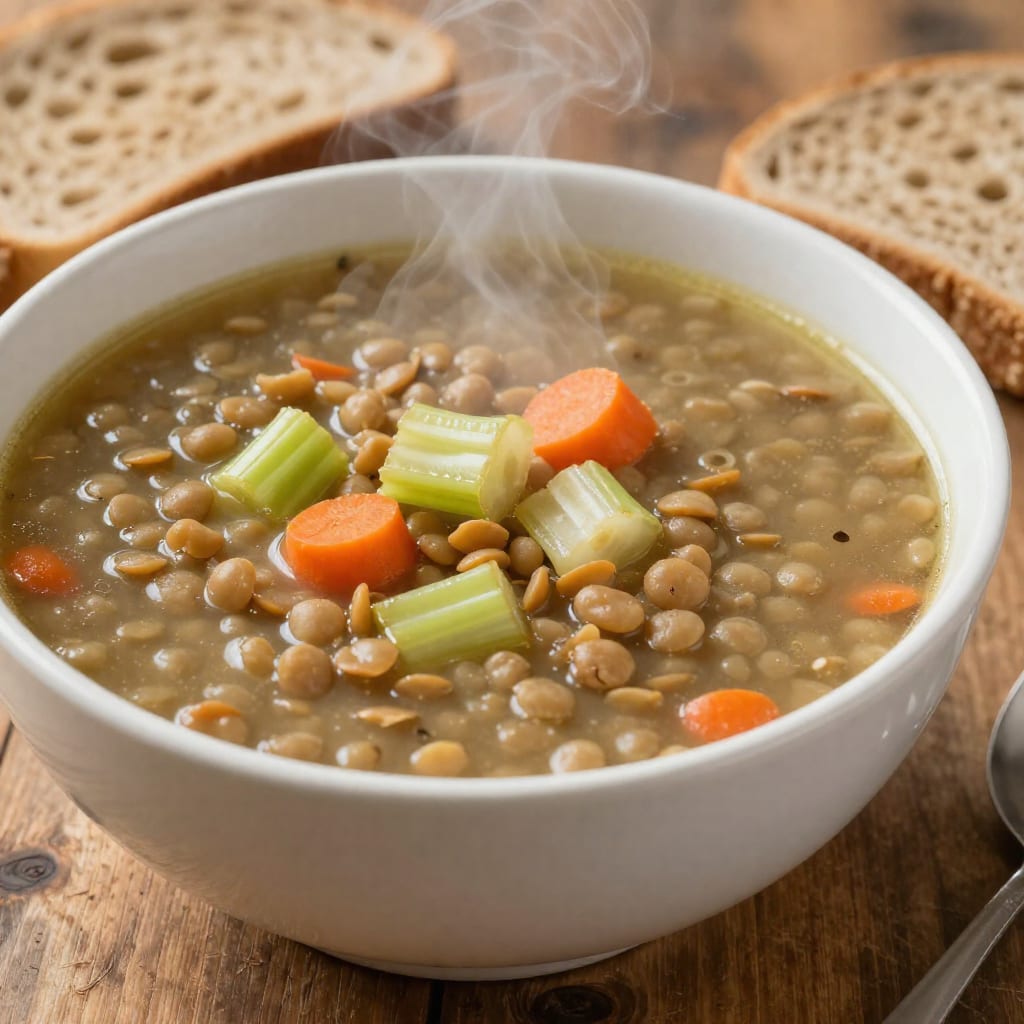
Lunch: Lentil and Vegetable Soup
1 cup cooked lentils + 1 cup frozen mixed vegetables + 2 cups broth + spices. Cost: ~$0.75. Satiety score: 8/10.
Dinner: Roasted Chicken Thigh with Potato and Broccoli
1 chicken thigh (roasted) + 1 medium potato (baked) + 1 cup frozen broccoli (steamed). Cost: ~$1.50. Satiety score: 9/10.
The key is to cook in batches. On a Sunday, I boil a dozen eggs, roast a tray of chicken thighs, cook a pot of lentils, and steam a bag of frozen broccoli. Then, during the week, I just assemble. It saves time, money, and keeps impulse eating at bay.
Common Mistakes That Undermine Satiety on a Budget (and How to Fix Them)
Even with the right foods, it's easy to fall into traps. Here are the biggest ones I've made—and how to avoid them.
Mistake 1: Relying on Processed 'Diet' Foods
Those 'low-calorie' frozen meals and protein bars are expensive and often lack real fiber and protein. A $3 bar might have 10g protein but also sugar alcohols that cause bloating. Fix: Stick to whole foods like eggs, lentils, and oats—they're cheaper and more satiating.
Mistake 2: Not Drinking Enough Water with Fiber
Fiber needs water to work. I once ate a huge bowl of oats without drinking enough, and ended up constipated and bloated. Fix: Aim for at least 8-16 oz of water per meal with high-fiber foods.
Mistake 3: Skipping Protein at Breakfast
A carb-heavy breakfast (cereal, toast, juice) spikes your blood sugar and crashes an hour later, leaving you ravenous. Fix: Add an egg or Greek yogurt to your morning meal—it's cheap and keeps you stable.
Mistake 4: Buying Pre-Cut or Pre-Washed Produce
Convenience costs a fortune. A bag of pre-cut broccoli might be $4, while a whole head is $1.50. Fix: Spend 10 minutes chopping on Sunday; store in containers for easy access.
One more thing: don't fall for 'superfood' hype. Chia seeds, quinoa, and acai bowls are fine, but they're not budget-friendly staples. For the price of one bag of chia seeds, you can buy a week's worth of lentils. Prioritize the cheap workhorses first.
Frequently Asked Questions
What is the single most affordable high-satiety food for weight loss in 2026?
Eggs remain a top contender—roughly $0.20 per egg, high in protein and fat, and extremely versatile. Lentils are close behind for fiber and protein at about $0.15 per serving.
Are frozen vegetables as good as fresh for satiety?
Yes, often better—frozen vegetables are picked at peak ripeness, retain fiber and water content, and cost significantly less than fresh, especially out of season. A bag of frozen broccoli costs about $1.50 and lasts for weeks.
Can I rely on protein powders for satiety on a budget?
Occasionally yes, but whole food sources like eggs, Greek yogurt, and canned fish offer better satiety per dollar and more micronutrients. Use powders as a supplement, not a staple—they're often $0.80+ per serving.
How much water should I drink with high-fiber foods to maximize fullness?
Aim for at least 8-16 oz (250-500 ml) per meal containing fiber—fiber absorbs water to expand in your stomach, triggering satiety signals more effectively. I keep a water bottle on the table and sip as I eat.
What's the biggest mistake people make when trying to eat high-satiety foods on a budget?
Buying expensive 'health' foods (e.g., pre-cut veggies, branded protein bars) instead of whole, bulk ingredients—like whole oats, potatoes, or dry beans—that cost pennies per serving. The markup for convenience is huge.
Your Practical Takeaway
The best affordable high-satiety foods for weight loss in 2026 aren't exotic or expensive. They're the same staples that have filled pantries for generations: eggs, lentils, potatoes, oats, and frozen vegetables. By building meals around these cheap, filling ingredients, you can lose weight without feeling hungry or breaking the bank. Next time you're at the store, skip the 'diet' aisle and head straight for the bulk bins. Your stomach—and your wallet—will thank you.
Worth bookmarking for your next grocery trip—these tips have saved me hundreds of dollars and countless hungry afternoons.