5 Simple Rules for Picking the Healthiest Plant Milk (2026 Guide)
I stood in the refrigerated aisle last Tuesday, staring at twenty-three cartons of plant milk. Soy, oat, almond, pea, coconut, hemp, flax, cashew, macadamia—each promising to be the best for you. I had a vague memory that oat milk was trendy and almond milk was low-cal, but my nutritionist friend had just warned me that half of these are basically flavored water with thickeners. I grabbed three different brands, took them home, and spent an afternoon poring over labels and tasting side-by-side. What I found surprised me—and it’s the reason I’m writing this guide. Not all plant milks are nutritionally equal, and with 2026 reformulations (some brands quietly cutting protein, others adding gums), the old rules of thumb don’t always hold. Here are the five simple rules I now use to pick the healthiest option every time.
Whether you’re dairy-free by choice, lactose intolerant, or just trying to cut back on animal products, the plant-milk shelf can feel overwhelming. But once you know what to look for, the decision takes thirty seconds. I’ll walk you through each rule with specific brands, numbers, and my own taste-test disasters (spoiler: one “barista” blend curdled in my iced coffee and looked like chunky milk).
Rule 1: Check the Protein — Not All Milks Are Created Equal
The first thing I do when I pick up a carton is flip it over and look at the protein number. It’s the single biggest differentiator. Soy milk and pea milk typically deliver 8–10 grams of protein per cup—the same as cow’s milk. Oat milk? Usually 2–4 grams. Almond milk? Around 1 gram unless it’s fortified with pea protein. Coconut milk beverage (the kind in a carton, not a can) has virtually none.
Why does this matter? Protein drives satiety, helps maintain muscle mass, and blunts blood-sugar spikes. If you’re using plant milk in a smoothie or as a meal component, low protein means you’ll be hungry sooner. I learned this the hard way: for months I used oat milk in my morning oatmeal, thinking I was being healthy, but I was hungry by 10 a.m. Switching to unsweetened soy milk added 8 grams of protein and kept me full until lunch.
Here’s a quick comparison I made from the labels in my fridge:
- Soy milk (unsweetened): 8–10g protein, ~80 calories, minimal sugar
- Pea milk: 8g protein, ~70 calories, neutral taste
- Oat milk (unsweetened): 3–4g protein, ~120 calories, higher carbs (~16g)
- Almond milk (unsweetened): 1g protein, ~30 calories, often fortified
- Coconut milk beverage: 0–1g protein, ~45 calories, very low carb
My rule of thumb: if I’m drinking it straight or using it in a meal, I aim for at least 6g protein per cup. If it’s just a splash in coffee, I’m less strict. But don’t assume “plant milk” means “protein milk”—most aren’t. Soy and pea are the clear winners here.
Rule 2: Scan for Added Sugars and Unnecessary Fillers
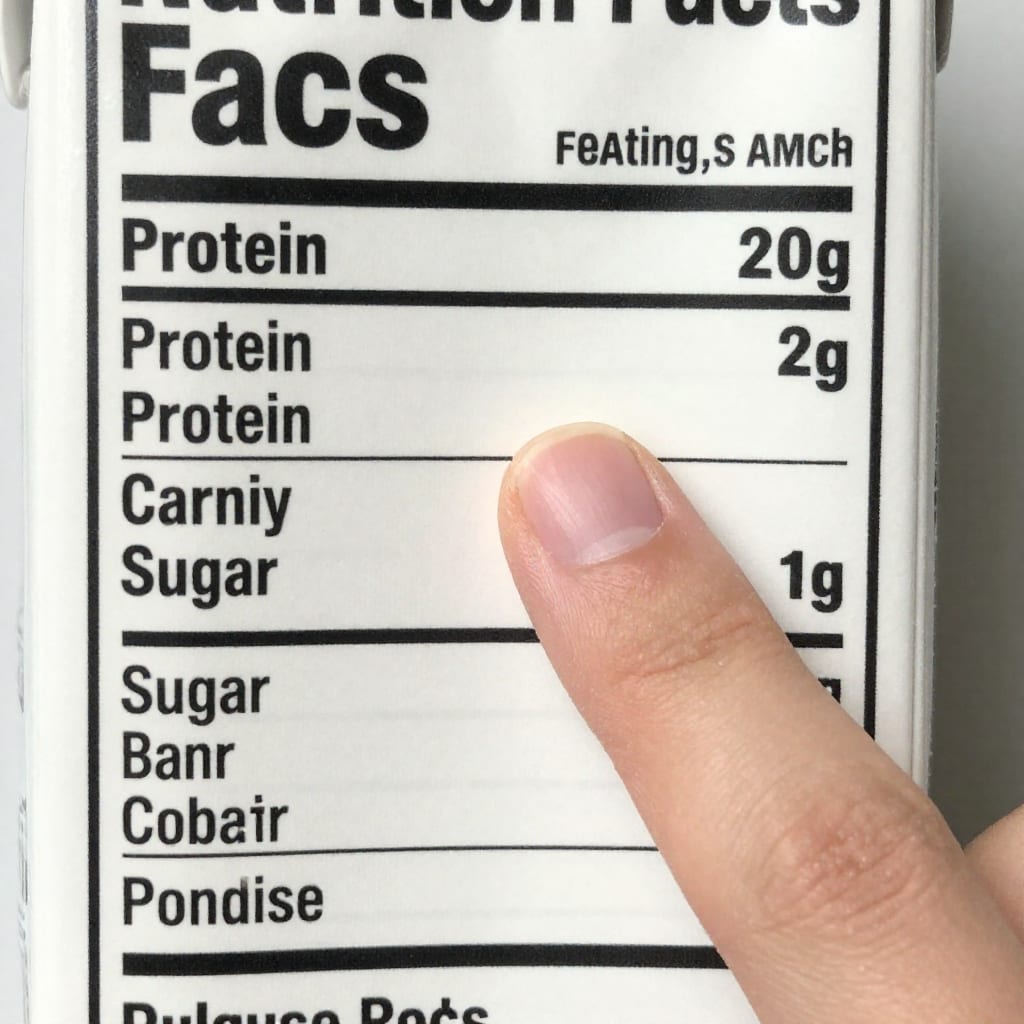
This is where the label-reading gets real. I once grabbed a vanilla oat milk that had 10 grams of added sugar per cup—that’s more than two teaspoons. It tasted like dessert, not milk. Always choose the unsweetened version. Flavored or original sweetened varieties are the biggest trap: they’re marketed as “healthy” but can pack as much sugar as soda.
Next, look at the ingredients list. You want short lists. Common thickeners and emulsifiers include gellan gum, guar gum, sunflower lecithin, and carrageenan. Carrageenan is controversial—some animal studies link it to gut inflammation, and the Environmental Working Group flags it as a concern. I personally avoid it, especially for daily use. Many brands have phased it out, but a few shelf-stable options still use it. Gellan gum and guar gum are generally considered safe, though some people report digestive sensitivity.
Another filler to watch: added oils. Barista blends often include sunflower or coconut oil for creaminess, which bumps up calories and saturated fat. That’s fine for an occasional latte, but not for daily drinking if you’re watching your fat intake. One barista oat milk I tested had 5g of saturated fat per cup—more than a serving of full-fat dairy milk.
My clean-label checklist:
- No added sugars (look for “unsweetened” on the front)
- No carrageenan (check the ingredients)
- Short list — ideally base + water + salt + fortification
- No hydrogenated oils (rare, but possible in some shelf-stable blends)
I once compared two brands of almond milk side by side. Brand A had three ingredients: almonds, water, salt. Brand B had eight, including sunflower oil, guar gum, and natural flavors. Both were unsweetened, but Brand A tasted cleaner and didn’t leave a weird coating in my mouth. Your mileage may vary, but simpler is almost always better.
Rule 3: Look at the Calcium and Vitamin D Fortification
If you’re replacing dairy, fortification is non-negotiable. Cow’s milk naturally contains about 300mg of calcium and 100 IU of vitamin D per cup. Most plant milks are fortified to match these levels, but not all. I’ve seen brands with as little as 100mg of calcium—barely a third of what you need.
Check the label for calcium carbonate or tricalcium phosphate. Both are well-absorbed, though some research suggests tricalcium phosphate may be slightly less bioavailable. For vitamin D, look for D2 (ergocalciferol, plant-derived) or D3 (cholecalciferol, often from lanolin but increasingly from lichen). I prefer D3 when available, but D2 is fine for most people.
Here’s a concrete example: I drink soy milk every day as part of my breakfast. Without fortification, I’d miss out on roughly 300mg of calcium and 100 IU of vitamin D per serving. Over a week, that’s 2100mg of calcium—almost a full day’s requirement. If your plant milk isn’t fortified, you need to get those nutrients from other sources (leafy greens, tofu, supplements).
One more tip: shake the carton well before pouring. Fortificants can settle at the bottom, so you might miss the nutrients if you pour the first glass without mixing. I learned this after pouring a calcium-free top layer into my coffee and wondering why the label didn’t match.
Rule 4: Match the Milk to Your Use — Coffee, Cereal, Smoothies, or Drinking Straight
Not every plant milk works for every purpose. I learned this the hard way when I poured a thin, watery almond milk into my morning coffee and watched it separate into curds. It was disgusting. Here’s what I’ve figured out:
- For coffee: Barista blends are designed to steam and not curdle. They have added oils and stabilizers. If you don’t want the extra fat, try oat milk (not barista) — it’s naturally creamy and holds up decently. Soy milk can work if you choose a barista version or warm it slowly.
- For cereal: You want a milk with some body and mild flavor. Soy milk and oat milk are great. Almond milk can work if you don’t mind the thinner texture. Avoid coconut milk — it’s too watery and leaves a coconut taste that clashes with most cereals.
- For smoothies: Thicker milks (soy, pea, oat) add creaminess. Almond milk works but may require a banana or yogurt for texture. Coconut milk beverage is fine if you’re going for a tropical vibe.
- For drinking straight: Pick one you actually enjoy the taste of. I like unsweetened vanilla soy milk. Some people prefer the neutral taste of pea milk. Just watch the sugar.
I keep three different plant milks in my fridge: a barista oat milk for coffee, a regular unsweetened soy milk for cereal and drinking, and a shelf-stable pea milk for smoothies. It sounds extra, but it means I never have to compromise on texture or nutrition.
Rule 5: Consider Sustainability and Cost — Your Wallet and the Planet
Let’s be honest: some plant milks are expensive. A 32-ounce carton of specialty pea milk can cost $5–6, while a store-brand almond milk might be $2.50. Over a month, that difference adds up. But price isn’t the only factor—sustainability matters too.
Here’s the environmental breakdown, based on widely cited data:
- Almond milk: High water usage (about 130 pints per gallon of milk), but low carbon footprint. Almonds are grown in drought-prone California.
- Oat milk: Low water and carbon footprint, grown in cooler climates. Often the most sustainable option overall.
- Soy milk: Moderate water and carbon footprint, but concerns about deforestation if not certified sustainable. Choose organic or non-GMO.
- Pea milk: Very low water and carbon footprint, nitrogen-fixing crops improve soil health. Often the most eco-friendly protein-rich option.
- Coconut milk: Moderate water use, but high land use and concerns about monoculture and labor practices.
For budget-friendly choices that still meet nutrition needs, I recommend unsweetened soy milk (often $3–4 per half-gallon) or store-brand oat milk ($3–4). Both offer decent protein, minimal sugar, and good fortification. If you’re on a tight budget, check the unit price—sometimes the refrigerated section is cheaper per ounce than shelf-stable, especially for soy.
One more thought: don’t be afraid to buy shelf-stable cartons if you don’t use milk quickly. They last unopened for months and are often cheaper. Just transfer to a pitcher after opening and use within 7–10 days.
The Bottom Line: Your 30-Second Cheat Sheet for the Healthiest Pick
Here’s the checklist I use every time I’m in the dairy aisle. Copy it, save it to your phone, or just memorize it:
- Protein: Aim for ≥6g per cup (soy or pea milk). If you don’t need protein, oat or almond are fine.
- Sugar: Always unsweetened. Check the label — “0g added sugar.”
- Fortification: At least 300mg calcium and 100 IU vitamin D per cup.
- Ingredients: Short list, no carrageenan, no hydrogenated oils.
- Use case: Match the milk to what you’re making — barista for coffee, creamy for cereal, neutral for smoothies.
- Sustainability & cost: Soy or oat are the best all-around bets for the planet and your wallet.
I used to spend five minutes comparing cartons and still feel unsure. Now I can pick the healthiest plant milk in under thirty seconds. The best part? I actually enjoy my morning coffee and cereal more because I’m choosing the right milk for the job. Give these rules a try next time you shop — your body (and your taste buds) will thank you.
Worth bookmarking before your next grocery run.