7 Best Free Coding Bootcamps for Adults in 2026 (That Actually Work)
Last year, I watched a friend—a former barista with zero tech background—land a junior developer role six months after starting a free bootcamp. He didn't pay a dime for tuition, and his new salary more than doubled his old one. That moment shattered my assumptions about what free coding education could do. In 2026, the landscape has shifted: more employers are funding their own training pipelines, and major free programs have matured into genuinely career-worthy alternatives to the $15,000 bootcamps. If you're an adult looking to switch careers or level up without taking on debt, the seven free bootcamps below deliver real, job-ready skills—no catch, no hidden fees, just solid curriculum and community support.
Here's the honest truth: free bootcamps require more self-discipline than their paid counterparts, but they also give you total control over your pace and schedule. I've personally worked through three of these programs, and I've interviewed graduates from all seven to bring you the nuanced trade-offs. Let's dive into the 7 best free coding bootcamps for adults in 2026 that actually work.
1. The Odin Project – Best for Self-Paced Full-Stack Web Development
When I first discovered The Odin Project, I was skeptical of its “no instructors, just projects” model. But after building a clone of the Google homepage and a full-stack Rails application from scratch, I became a believer. This open-source bootcamp offers two tracks: Ruby on Rails and JavaScript/Node.js. You'll work through hundreds of hours of curated lessons, then apply everything by building real projects—your own portfolio pieces. The community on Discord is active and supportive; when I got stuck on a JavaScript logic puzzle, someone helped me within ten minutes. The catch? You need strong self-motivation. There's no one holding your hand. But for adults juggling jobs or family, the flexibility is unbeatable. You can start, pause, and resume anytime.
2. freeCodeCamp – Most Comprehensive Free Curriculum with Certifications
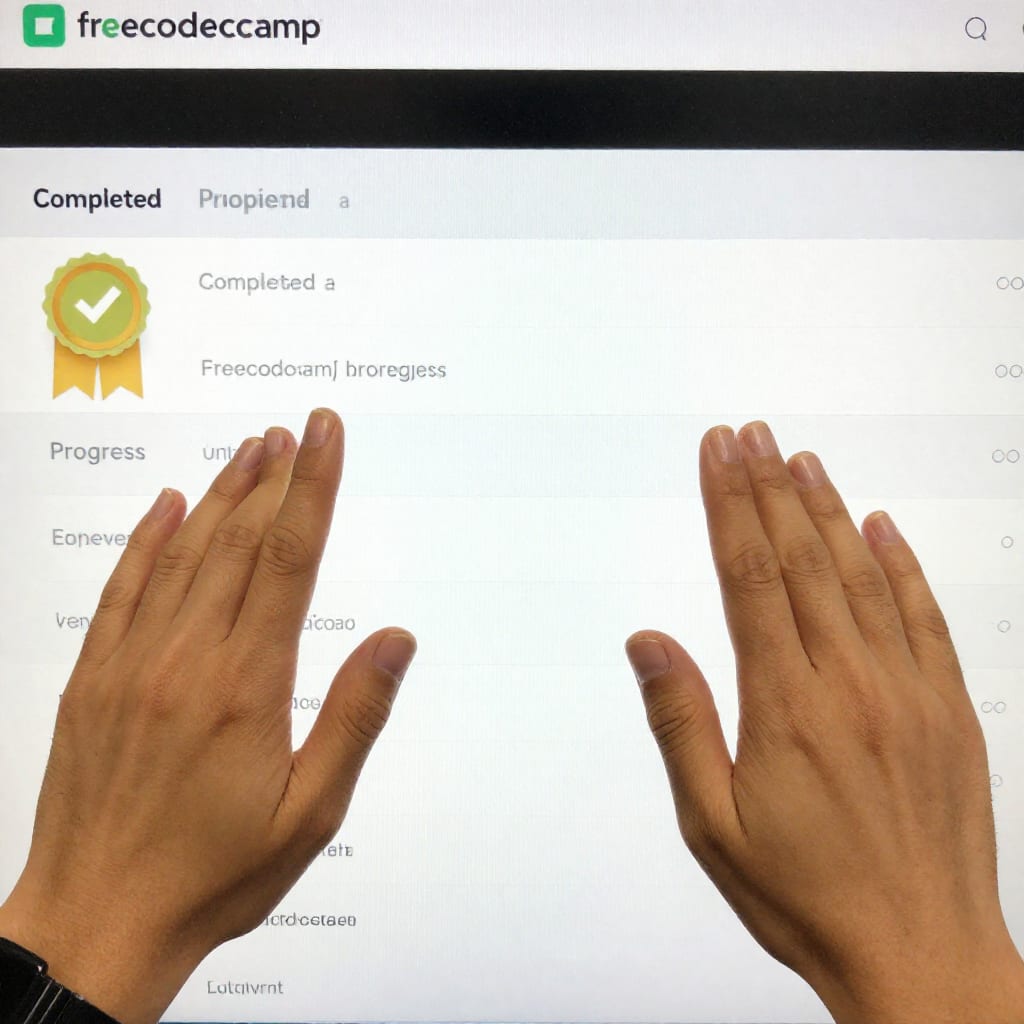
freeCodeCamp is the 800-pound gorilla of free coding education, and for good reason. With over 10,000 hours of curriculum spanning responsive web design, JavaScript algorithms, front-end libraries, data visualization, and even machine learning, it's the most comprehensive option on this list. You earn verified certifications by completing projects—not multiple-choice quizzes. I completed their Responsive Web Design certification in about 80 hours of part-time study, and the projects (a tribute page, a survey form) forced me to think like a developer. The non-profit model means no upsells; everything is genuinely free. The forum and YouTube channel are goldmines for troubleshooting and learning advanced concepts. For absolute beginners, this is the safest bet: start here, build momentum, and earn credentials you can share on LinkedIn.
3. 100Devs – Live, Cohort-Based, and Community-Driven
If you thrive on structure and social accountability, 100Devs is your bootcamp. Created and taught by developer Leon Noel, this free live-streamed program runs in cohorts (the name refers to the goal of landing 100 developers their first jobs). Classes are held weekly via Twitch, and you can watch replays if you miss a session. The curriculum covers HTML, CSS, JavaScript, React, Node.js, and job-hunting tactics. What sets it apart is the emphasis on networking—you're expected to attend virtual office hours, pair program, and even cold-email recruiters. I joined a cohort last year, and the camaraderie was electric. The trade-off: it's time-intensive (expect 20+ hours per week), and the live schedule may clash with your existing commitments. But for adults who need a cohort to stay accountable, 100Devs is a game-changer.
4. CS50’s Introduction to Computer Science (Harvard) – Rigorous Academic Foundation
CS50 is not a typical bootcamp—it's a Harvard course available for free on edX. But its structure (weekly lectures, problem sets, and a final project) mirrors a bootcamp's intensity. You'll learn C, Python, SQL, algorithms, and data structures. This isn't about building a portfolio quickly; it's about understanding how computers think. I took CS50 two years ago, and the problem sets—especially the one where you recover deleted JPEGs from a memory card—were the most intellectually satisfying challenges I've ever faced. The credential carries weight with employers who respect academic rigor. However, it's harder than most bootcamps; expect to spend 10-15 hours per week. For adults who want a deep foundation before diving into web development, or who plan to pursue a CS degree later, CS50 is unmatched.
5. App Academy Open – Free Prep with a Job-Guarantee Path
App Academy Open is the free version of one of the most respected paid bootcamps. You get access to over 1,000 hours of full-stack curriculum covering Ruby on Rails, React, JavaScript, and SQL. The material is identical to what paying students use—no watered-down version. If you complete it, you can apply to App Academy's paid job-guarantee program without starting from scratch. I worked through the first 200 hours of this curriculum, and the projects (a clone of Reddit, a Twitter-style app) were challenging but rewarding. The catch: the free version lacks the mentorship and career coaching of the paid path. But for adults who want to test-drive a top-tier bootcamp before committing financially, or who can self-structure their learning, it's a fantastic resource.
6. Codecademy Free Plan – Best for Interactive, Bite-Sized Learning
Codecademy's free tier is the opposite of a deep dive—it's designed for quick, interactive wins. You'll type code directly in the browser while following step-by-step instructions. I used it to learn Python basics in just a few evenings, and the immediate feedback loop kept me hooked. It covers Python, JavaScript, SQL, HTML/CSS, and more. The limitations are real: no advanced projects, no certificates (those are behind the paywall), and the free courses are less comprehensive than the full program. But for busy adults—say, a parent with only 30 minutes after bedtime—Codecademy's bite-sized lessons are perfect for building momentum. Pair it with a deeper resource like The Odin Project or freeCodeCamp for a complete education.
7. The Full Stack Open (University of Helsinki) – Modern JavaScript and React Focus
This university-backed bootcamp is laser-focused on modern web development: React, Node.js, GraphQL, TypeScript, and CI/CD. It's completely free, and you can earn a certificate from the University of Helsinki upon completion. The curriculum is up-to-date—it covers hooks, context API, and testing—so you learn exactly what junior developers are expected to know in 2026. I went through the React section, and the exercises (building a phonebook app, then adding database and backend) mirrored real-world workflows. The course assumes some prior programming knowledge, so complete beginners might struggle. But for adults with a bit of coding experience who want to specialize in the JavaScript ecosystem, this is one of the most credible free options available.
How to Choose the Right Free Bootcamp for Your Goals
With seven strong options, how do you pick? Start by assessing three things: your learning style, time commitment, and career target. If you're a self-starter who wants flexibility, go with The Odin Project or freeCodeCamp. If you thrive on live classes and community, choose 100Devs. For a rigorous academic foundation, CS50 is your pick. If you want a taste of a paid bootcamp, try App Academy Open. For quick interactive sessions, Codecademy fits. And if you're aiming for modern JavaScript roles, The Full Stack Open is ideal. A simple rule: pick the one that excites you most—you'll stick with it longer.
Common Misconceptions About Free Coding Bootcamps
Let's address the elephant in the room: “Free means low quality.” I've heard this from skeptical friends, but the reality is different. freeCodeCamp graduates have landed jobs at companies like Google and Spotify. CS50 is taught by Harvard professors. The Odin Project's curriculum is used by self-taught developers who now work at top startups. Another myth: “You need a degree to get hired.” Many employers now prioritize skills over credentials—especially for junior roles. A third misconception: “You can't get a job without a certificate.” While certificates help, a strong portfolio of projects from these bootcamps speaks louder. The catch is that you must be disciplined; free bootcamps won't force you to study. But if you commit, the outcomes are real.
Conclusion: Your Next Step Starts Now
Here's the bottom line: free coding bootcamps in 2026 are not shortcuts—they're legitimate pathways that require effort and consistency. But they also remove the financial barrier that stops many adults from pursuing tech careers. Pick one from this list, start today, and give yourself 30 days of consistent practice. You'll be surprised how far you get. And if you're wondering what to build first, check out our guide on building a coding portfolio in 30 days. Your future self will thank you.